Fight, Flight, Freeze & Fawn: A Chinese Medicine Perspective
Nervous system dysregulation can present in different ways, and they should definitely not have a ‘one size fits all’ approach. As a herbalist, one of my biggest pet peeves is seeing general herbal supplements to ‘reduce cortisol levels’ marketed to the public. In Chinese medicine, stress manifests differently in different people and requires different treatment. Taking certain herbs that don’t match your constitution can actually make you feel worse, which is why it’s important to listen to your body rather than what a supplement brand says XYZ capsule will do for you.
The aim of this article is to explain the four main types of nervous system dysregulation. Each type is a specific stress response your body chooses to survive in whatever situation you are in.
Fight
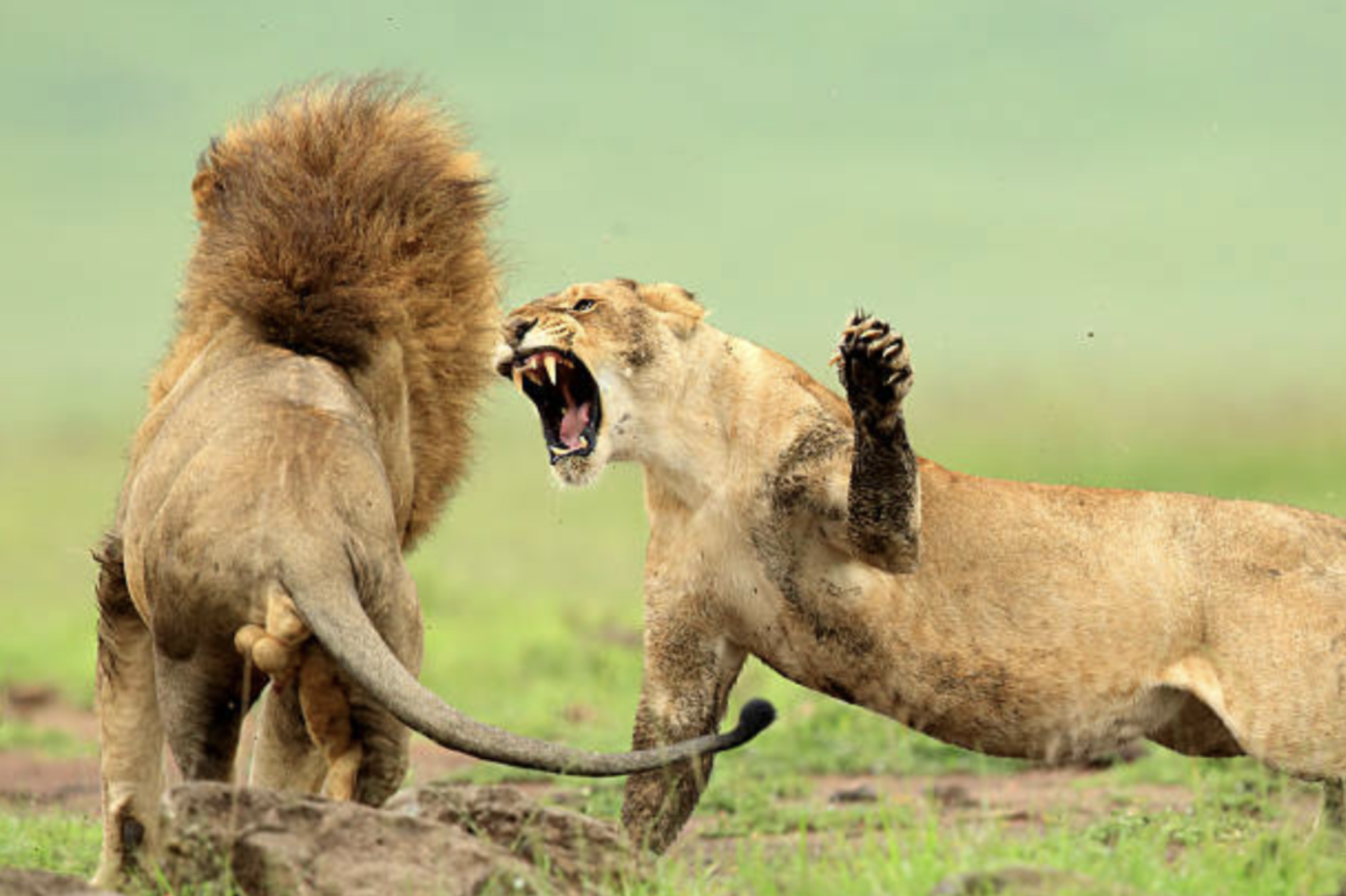
When your nervous system is in ‘fight’ mode, your primal instinct is to fight to survive. If your body is in a chronic state of ‘fight’, it is like your body is living in a continuous situation of the lioness above.
This can manifest as:
A tense jaw ready to bite → manifests as chronic jaw tension, teeth grinding
Raised neck/shoulder muscles ready to strike → tight upper traps
Facial aggression → manifests as chronic frown, face tension, angry wrinkles
Extreme focus on your opponent → tunnel vision, inability to see the big picture
Fast reflexes → emotional reactivity
In Chinese medicine, this affects the Liver, which is the organ system responsible for metabolising stress. When the Liver is imbalanced, this can show up as irritability, frustration, tension headaches, high muscle tension or cramps, constipation, bloating, dry eyes, blurred vision, high blood pressure, flushed face, vertigo, PMS and brittle nails.
In order to soothe the Liver, this pent-up energy can be directed towards physical movement like exercise, or some kind of expression such as some form of creative expression, or learning to express one's needs or wants.
Flight
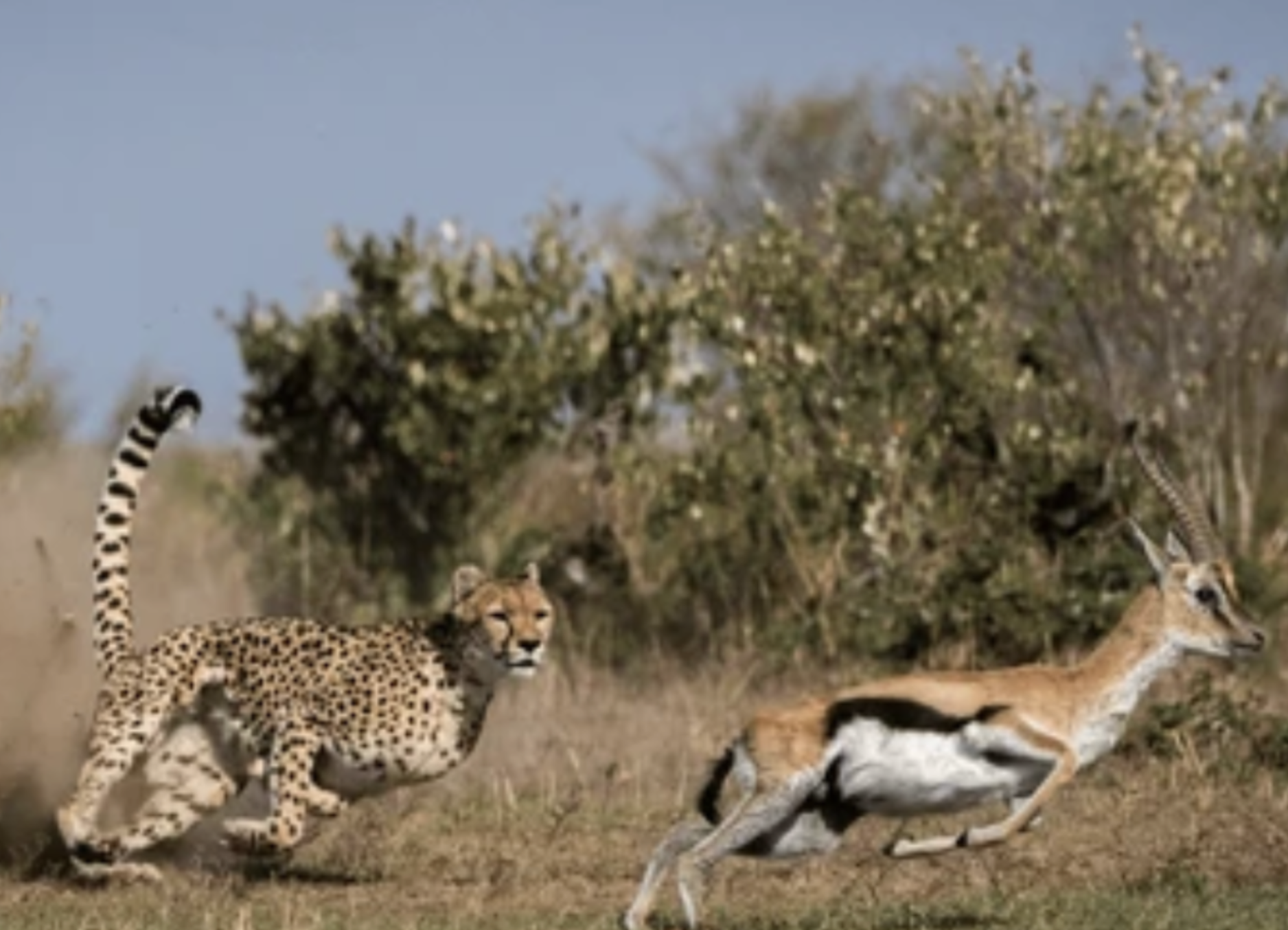
When you are in ‘flight’ mode, your body acts as though it is fleeing a situation in order to survive.
Flight is very useful for the antelope here, but when we chronically spend time in Flight, it can manifest as:
Tight hip flexors → this is the strongest muscle that we need to run away. Includes the psoas which is often called the emotional muscle that stores trauma.
Tunnel vision → your only focus is getting away
Tight upper traps to protect the neck
Short sharp inhales → chronic shallow breathing, holding your breath, or hyperventilating as though in a panic attack
Being in a Fight state over time can eventually lead to Freeze, or burnout.
Those in Fight or Flight can have very fast eye movement, blinky and talk a lot or quickly, as opposed to those in Freeze who present with a more blank, expressionless face.
Freeze
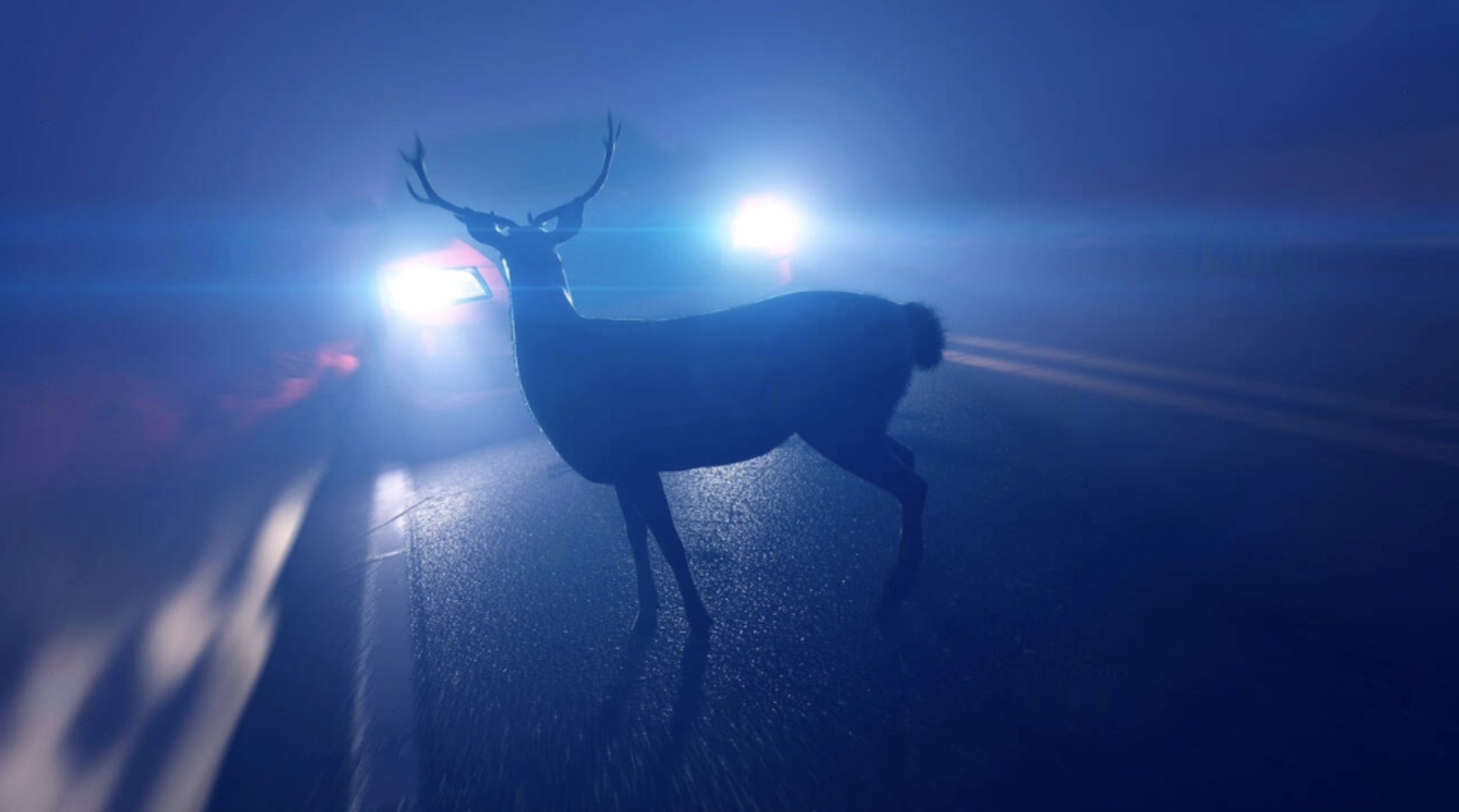
Being in Freeze is the human equivalent of playing dead – in order to survive. A perfect example of this is the deer in the headlights, which can manifest as:
Wide open eyes like being stunned
Paralysis - decision paralysis, stage fright
Breathing becomes shallow/stops
Low blood pressure/heart rate to ‘play dead’
Blank & expressionless face - smile muscle completely unengaged.
In Chinese Medicine, this affects the ‘shen’, or your spirit. That is why being in Freeze can seem as though the person has left the building. When the Heart is frightened, it can no longer anchor the shen – so the shen leaves and the person is no longer present. The Heart system is also responsible for circulation, so this type of person can have icy extremities, heart palpitations and depressive tendencies.
Fawn
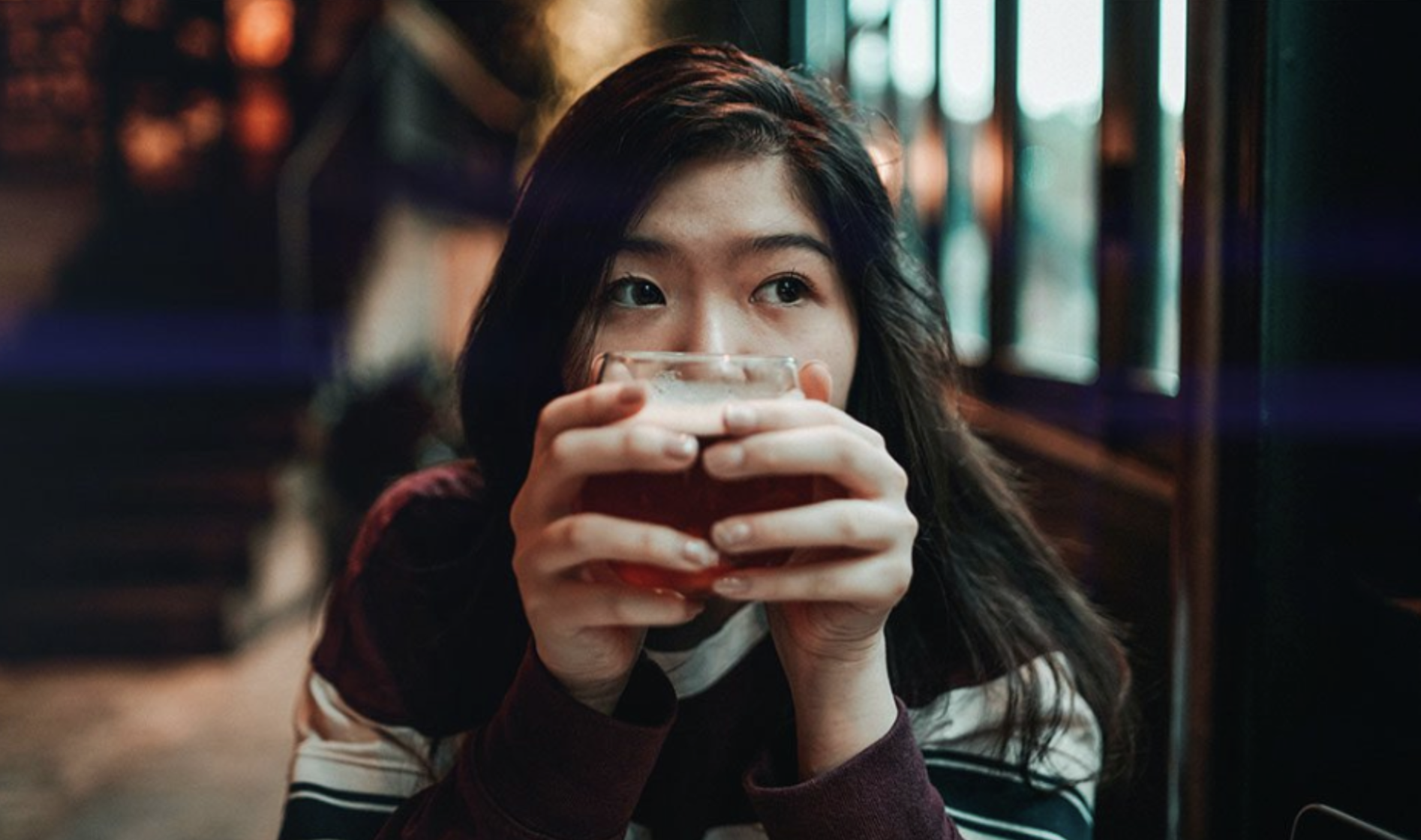
The state of Fawn is an example of people-pleasing in order to belong. Our primitive instinct is that if we were excommunicated from our tribe, clan or pride, we would be left for dead. Our body’s survival mode naturally kicks in, in order to appease this situation.
This can manifest as:
Soft wide eyes to intentionally appear innocent - the occipitofrontalis & risorius muscles become tense
Shoulders are rolled forward and hunched to appear smaller - to not appear as a threat to those with higher power, to ‘not take up space.’
Tightened vocal cords - speaking with a small voice
This kind of suppression of ‘self’ can affect all the organ systems above in Chinese medicine, which requires an approach dependent on the individual. Unfortunately there is no one supplement, or acupuncture protocol to treat each of these nervous system states. Chinese Medicine is about treating the person as a whole – considering the mind, body and spirit of a person. Certain emotional states can cause physical symptoms, while the effect of diseases on the body creates specific emotional states too.
The Chinese medicine approach for treating someone with general life stress, versus deep psychological trauma, versus being burnt out, requires vastly different approaches. If you would like an individualised Chinese medicine treatment with me, please book an Initial Appointment here. I look forward to working with you.
